
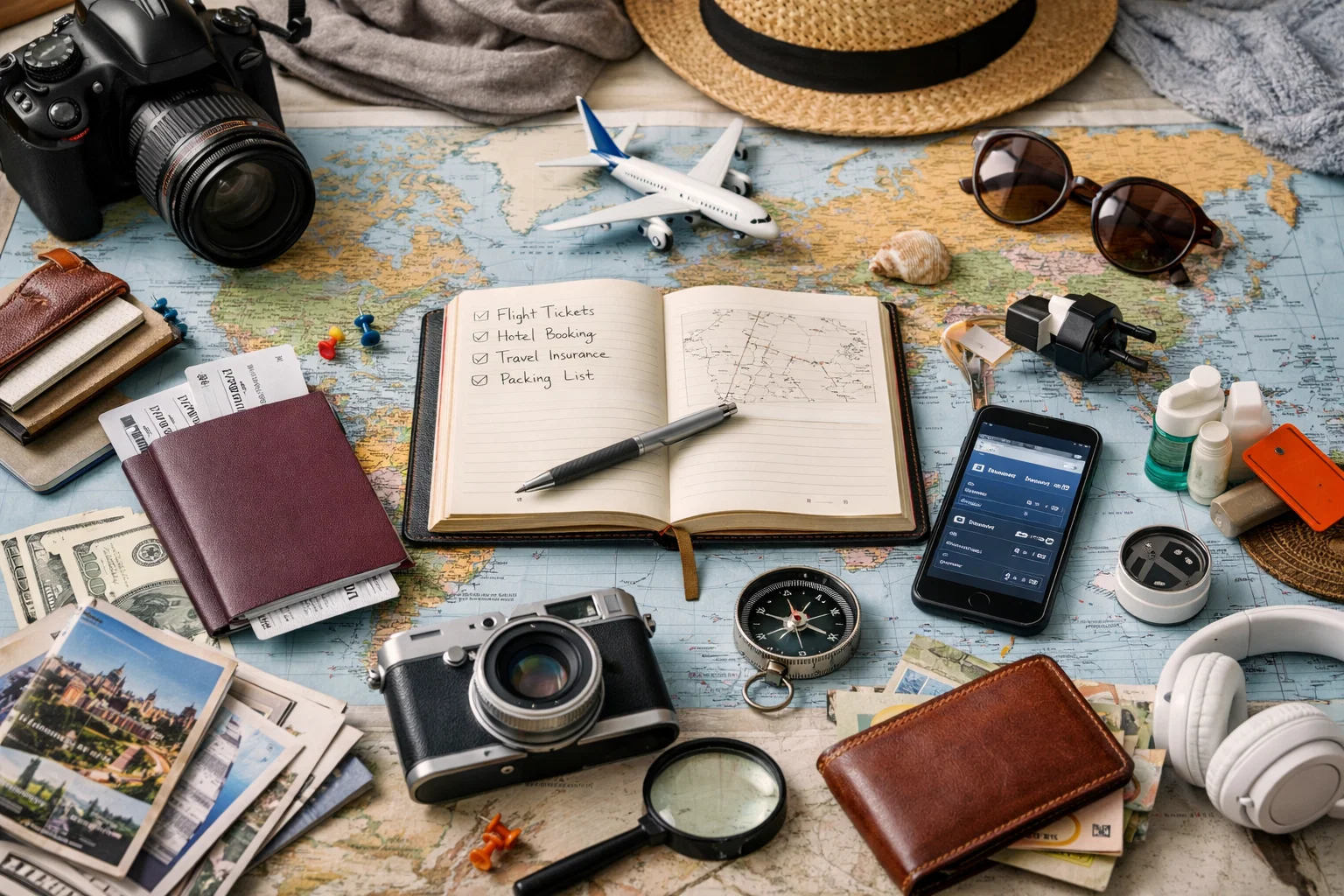
Planning your first or next global trip can feel overwhelming, but a well-structured international travel planning guide makes the process smoother and more enjoyable. From choosing destinations to managing documents and budgets, every step plays a crucial role in shaping your experience. With the right preparation, you can avoid common travel mistakes and focus on creating meaningful memories.
Choosing the Right Destination
Selecting the perfect destination depends on your interests, budget, and travel goals. Consider factors such as weather, local culture, safety, and seasonal events.
Key considerations:
- Climate and best travel seasons
- Visa requirements and entry policies
- Language barriers
- Cost of living
For example, Southeast Asia is budget-friendly, while Europe offers cultural richness but may require a higher budget.
Research and Documentation Essentials
A solid international travel planning guide always emphasizes proper documentation. Missing paperwork can disrupt your entire trip.
Must-have documents:
- Valid passport (at least 6 months validity)
- Visa (if required)
- Travel insurance
- Flight tickets and accommodation details
It’s also wise to keep digital and printed copies of important documents for emergencies.
Budget Planning and Cost Management
Travel budgeting ensures you enjoy your trip without financial stress. Break down your expenses into categories:
| Expense Category | Estimated Cost Range |
| Flights | High |
| Accommodation | Medium to High |
| Food | Low to Medium |
| Transportation | Medium |
| Activities | Variable |
Money-saving tips:
- Book flights early
- Use fare comparison tools
- Travel during off-peak seasons
- Opt for local transportation
Booking Flights and Accommodation
Securing the right flights and stay options can significantly impact your travel experience.
Tips for booking:
- Use incognito mode while searching flights
- Compare multiple booking platforms
- Read genuine reviews before reserving hotels
- Consider location convenience over luxury
Alternative accommodations like hostels, Airbnb, or boutique hotels can offer unique and affordable experiences.
Packing Smart and Travel Preparation
A well-prepared packing strategy is a key part of any international travel planning guide. Overpacking can be just as problematic as underpacking.
Packing checklist:
- Travel documents and copies
- Weather-appropriate clothing
- Power adapters and chargers
- Basic medications and toiletries
- Travel-sized essentials
Pro tip: Roll your clothes to save space and keep your luggage organized.
Understanding Local Culture and Etiquette
Respecting local customs enhances your travel experience and builds positive interactions.
Things to keep in mind:
- Learn basic phrases in the local language
- Dress appropriately according to cultural norms
- Understand tipping practices
- Be aware of local laws and restrictions
Cultural awareness not only avoids misunderstandings but also enriches your journey.
Health, Safety, and Travel Insurance
Your safety should always be a priority when traveling abroad.
Important safety tips:
- Purchase comprehensive travel insurance
- Keep emergency contacts accessible
- Avoid carrying large amounts of cash
- Stay updated on local advisories
Vaccinations may be required for certain destinations, so consult a healthcare professional before traveling.
Creating a Flexible Travel Itinerary
A well-balanced itinerary ensures you make the most of your trip without feeling rushed.
How to plan effectively:
- Prioritize must-visit attractions
- Leave room for spontaneous exploration
- Avoid over-scheduling your days
- Include rest time
Flexibility allows you to adapt to unexpected opportunities or changes.
Conclusion
Following a structured international travel planning guide helps you travel with confidence and peace of mind. From organizing documents to understanding local cultures, every step contributes to a successful journey. With careful planning and a flexible mindset, you can transform your travel experience into a memorable adventure filled with discovery and joy.
FAQs
- How early should I start planning international travel?
Ideally, start planning at least 2–6 months in advance to secure better deals and complete documentation. - Do I really need travel insurance?
Yes, travel insurance protects you from unexpected expenses like medical emergencies, cancellations, or lost luggage. - How can I find cheap international flights?
Use comparison websites, set fare alerts, and book tickets during sales or off-peak seasons. - What is the most important document for international travel?
A valid passport is the most essential document, followed by visas depending on your destination. - How much money should I budget for a trip?
It depends on your destination, travel style, and duration. Always include a buffer for unexpected expenses.